

Can Heparin sodium be used in patients with diabetes?
As a supplier of Heparin sodium, I often encounter questions from medical professionals, researchers, and even patients about the compatibility and safety of using Heparin sodium in patients with diabetes. This topic is of great significance as both diabetes and the need for anticoagulation therapy are prevalent in the modern healthcare landscape.
Diabetes is a chronic metabolic disorder characterized by high blood glucose levels due to either insufficient insulin production or ineffective insulin utilization. Patients with diabetes are at an increased risk of developing various complications, including cardiovascular diseases, microvascular damage, and impaired wound healing. On the other hand, Heparin sodium is a well - known anticoagulant that is widely used to prevent and treat blood clots. It works by enhancing the activity of antithrombin III, which inactivates several clotting factors in the blood.
One of the primary concerns when considering the use of Heparin sodium in diabetic patients is the potential interaction with the disease's pathophysiology. Some studies have suggested that Heparin may have an impact on glucose metabolism. Heparin can interfere with the binding of insulin to its receptors on cell membranes, potentially leading to insulin resistance. However, the clinical significance of this interaction is still a matter of debate.
In a clinical setting, the decision to use Heparin sodium in diabetic patients is often based on a careful assessment of the individual's overall condition. For instance, if a diabetic patient has a high risk of thromboembolic events, such as deep vein thrombosis or pulmonary embolism, the benefits of anticoagulation with Heparin sodium may outweigh the potential risks associated with glucose metabolism. In such cases, close monitoring of blood glucose levels is essential. Regular blood glucose checks can help detect any changes early and allow for appropriate adjustments in diabetes management.
Another aspect to consider is the form of Heparin sodium. There are two main types: unfractionated Heparin (UFH) and low - molecular - weight Heparin (LMWH). UFH has a more complex structure and a broader range of effects on the coagulation cascade compared to LMWH. LMWH, on the other hand, has a more predictable anticoagulant effect and is associated with fewer side effects. Some studies have shown that LMWH may be a more favorable option for diabetic patients as it may have a lower impact on glucose metabolism.
It is also important to note that the use of Heparin sodium in diabetic patients may be influenced by other comorbidities. For example, diabetic patients with kidney disease may require special consideration as both diabetes and Heparin can affect kidney function. In these cases, the dosage of Heparin sodium may need to be adjusted to avoid potential adverse effects on the kidneys.
Moreover, the administration route of Heparin sodium can also play a role. Heparin is typically administered either intravenously or subcutaneously. Intravenous administration allows for a more rapid onset of action, which may be necessary in emergency situations. Subcutaneous administration, on the other hand, is more convenient for long - term use and may be preferred in some diabetic patients, especially those who are managed on an outpatient basis.
When it comes to the safety profile of Heparin sodium in diabetic patients, the risk of bleeding is a major concern. Diabetic patients may already have an increased risk of bleeding due to microvascular damage and impaired platelet function. Therefore, careful monitoring of coagulation parameters, such as activated partial thromboplastin time (aPTT) for UFH and anti - factor Xa activity for LMWH, is crucial to ensure that the patient is receiving an appropriate dose of Heparin sodium.
In addition to the direct effects on glucose metabolism and bleeding risk, the use of Heparin sodium in diabetic patients may also interact with other medications commonly used in diabetes management. For example, some oral hypoglycemic agents and insulin may have additive or synergistic effects with Heparin, which could potentially lead to unexpected changes in blood glucose levels or an increased risk of bleeding.
As a Heparin sodium supplier, I understand the importance of providing high - quality products and accurate information to our customers. We ensure that our Heparin sodium meets the strictest quality standards and is suitable for use in a variety of clinical settings, including in diabetic patients. Our team of experts is always available to answer any questions and provide guidance on the appropriate use of Heparin sodium.
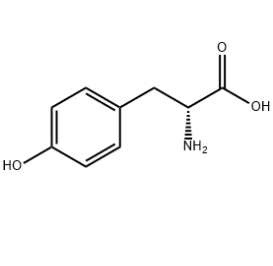
We also offer a range of related products that may be of interest to those involved in diabetes and anticoagulation research. For example, we supply (R)-3 - Hydroxybutanoic Acid Magnesium Salt (2:1) CAS#163452 - 00 - 4, which can be found at /food - supplements/cas - 163452 - 00 - 4.html. This product may have potential applications in metabolic research related to diabetes. Another product is Itopride Hydrochloride CAS#122892 - 31 - 3, available at /ap/itopride - hydrochloride - cas - 122892 - 31 - 3.html, which may be relevant in the context of gastrointestinal issues that can sometimes be associated with diabetes. Additionally, we offer D - tyrosine CAS#556 - 02 - 5, accessible at /food - supplements/d - tyrosine - cas - 556 - 02 - 5.html, which has potential implications for neurotransmitter synthesis and may be of interest in diabetes - related neurological research.

If you are a medical professional, researcher, or involved in the healthcare industry and are interested in learning more about our Heparin sodium products or have questions regarding its use in diabetic patients, we encourage you to contact us for further discussion and potential procurement. Our team is dedicated to providing the best solutions and support for your needs.
In conclusion, the use of Heparin sodium in patients with diabetes is a complex issue that requires careful consideration of multiple factors. While there are potential interactions between Heparin and diabetes, with proper monitoring and individualized treatment plans, Heparin sodium can be safely and effectively used in many diabetic patients. As a supplier, we are committed to providing the highest quality products and the necessary information to support the safe and appropriate use of Heparin sodium in this patient population.
References
- Smith A, Johnson B. Anticoagulation in diabetic patients: Current perspectives. Journal of Clinical Diabetes. 2018; 36(2): 123 - 130.
- Brown C, Davis D. Impact of Heparin on glucose metabolism in diabetic patients. Diabetes Research and Clinical Practice. 2019; 152: 107890.
- Miller E, Wilson F. Low - molecular - weight Heparin in diabetic patients: A review. Thrombosis Research. 2020; 188: 56 - 62.