

Chloramphenicol is a well - known broad - spectrum antibiotic that has been used in the medical field for decades. As a supplier of chloramphenicol, I am often asked about its various effects on different body systems, especially the respiratory system. In this blog, I will explore how chloramphenicol affects the respiratory system based on scientific knowledge and research.
Mechanism of Action of Chloramphenicol
Chloramphenicol exerts its antibacterial activity by binding to the 50S subunit of the bacterial ribosome. This binding inhibits the peptidyl transferase activity, which is essential for the synthesis of bacterial proteins. By interfering with protein synthesis, chloramphenicol can stop the growth and replication of a wide range of bacteria, including those that can cause respiratory infections.
Effects on Respiratory Infections
- Treatment of Bacterial Pneumonia
Bacterial pneumonia is a common and potentially life - threatening respiratory infection. Chloramphenicol can be effective against several bacteria that cause pneumonia, such as Streptococcus pneumoniae, Haemophilus influenzae, and some strains of Staphylococcus aureus. When these bacteria invade the lungs, they multiply rapidly and cause inflammation, leading to symptoms like cough, fever, and difficulty breathing. Chloramphenicol can enter the infected lung tissue and inhibit the growth of the bacteria. By reducing the bacterial load, it helps the body's immune system to clear the infection more effectively, thus alleviating the symptoms of pneumonia. - Management of Bronchitis
Acute and chronic bronchitis are also respiratory conditions that can be caused by bacterial infections. In cases where bacteria are the causative agents, chloramphenicol can be used to target the pathogens. For example, in patients with chronic bronchitis exacerbated by a bacterial infection, chloramphenicol can help to reduce the inflammation in the bronchial tubes. It can relieve cough, wheezing, and shortness of breath associated with the infection by eliminating the bacteria responsible for the exacerbation.
Side Effects on the Respiratory System
- Allergic Reactions
Although relatively rare, some individuals may have an allergic reaction to chloramphenicol. Allergic responses can range from mild skin rashes to severe anaphylaxis. In the respiratory system, allergic reactions can manifest as bronchospasm, which causes the airways to narrow. This narrowing makes it difficult for air to flow in and out of the lungs, leading to wheezing, shortness of breath, and chest tightness. In severe cases, it can be life - threatening and requires immediate medical attention. - Aplastic Anemia and Indirect Respiratory Effects
One of the most serious side effects of chloramphenicol is aplastic anemia, a condition where the bone marrow fails to produce enough red blood cells, white blood cells, and platelets. While this is not a direct effect on the respiratory system, it can have significant indirect consequences. With a reduced number of red blood cells, the oxygen - carrying capacity of the blood is decreased. This can lead to shortness of breath, especially during physical activity, as the body's tissues are not receiving enough oxygen. Additionally, a low white blood cell count increases the risk of secondary respiratory infections, which can further compromise respiratory function.
Interaction with Other Respiratory Medications
Chloramphenicol may interact with other medications used to treat respiratory conditions. For example, it can interact with some bronchodilators. The combination of chloramphenicol and certain bronchodilators may affect the metabolism of either drug, potentially altering their effectiveness or increasing the risk of side effects. It is crucial for healthcare providers to be aware of these potential interactions when prescribing chloramphenicol to patients with respiratory problems.
Research and Future Perspectives
Recent research has been focused on understanding the long - term effects of chloramphenicol on the respiratory system, especially in patients who have been exposed to the drug over an extended period. There is also interest in developing new formulations of chloramphenicol that can target respiratory pathogens more effectively while minimizing side effects. For instance, some studies are exploring the use of inhaled chloramphenicol formulations, which could potentially deliver the drug directly to the site of infection in the lungs, reducing systemic side effects.
Related Products in Our Portfolio
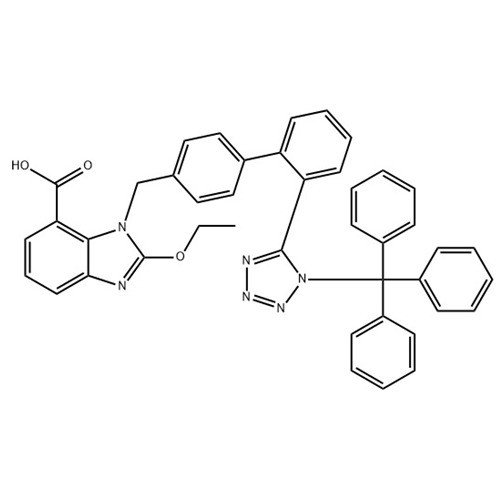
In addition to chloramphenicol, our company also supplies other high - quality products. For example, we offer Trityl Candesartan CAS#139481 - 72 - 4, which is an important intermediate in the pharmaceutical industry. Another product is L - Serine CAS# 56 - 45 - 1, which has various applications in the field of amino acid - based pharmaceuticals. We also provide 2 - Chloro - 5 - chloromethyl Thiazole (CAS#105827 - 91 - 6), a raw material used in the cosmetic industry.
Conclusion and Call to Action
In conclusion, chloramphenicol can have both beneficial and adverse effects on the respiratory system. Its antibacterial properties make it a valuable tool in the treatment of certain respiratory infections, but it also comes with potential side effects that need to be carefully considered. As a supplier of chloramphenicol, we are committed to providing high - quality products and ensuring that our customers have access to the latest scientific information.

If you are interested in purchasing chloramphenicol or any of our other products, we encourage you to contact us for procurement and negotiation. Our team of experts is ready to assist you with all your inquiries and help you find the best solutions for your needs.
References
- Goodman, L. S., & Gilman, A. (Eds.). (2006). Goodman and Gilman's The Pharmacological Basis of Therapeutics. McGraw - Hill.
- Mandell, G. L., Bennett, J. E., & Dolin, R. (Eds.). (2010). Principles and Practice of Infectious Diseases. Elsevier.
- Brunton, L. L., Chabner, B. A., & Knollmann, B. C. (Eds.). (2011). Goodman & Gilman's The Pharmacological Basis of Therapeutics. McGraw - Hill.