

In the vast landscape of antibiotics, Chloromycetin (CAS 56 - 75 - 7) stands out with a unique set of advantages that make it a valuable option in the fight against various bacterial infections. As a supplier of Chloromycetin CAS 56 - 75 - 7, I am well - versed in its properties and benefits, and I am excited to share why it may be a superior choice compared to other antibiotics.
Broad - Spectrum Activity
One of the most significant advantages of Chloromycetin is its broad - spectrum antibacterial activity. It is effective against a wide range of Gram - positive and Gram - negative bacteria. This includes organisms such as Staphylococcus aureus, Streptococcus pneumoniae, Haemophilus influenzae, and Escherichia coli. Many other antibiotics have a more limited spectrum of activity, which means they can only target specific types of bacteria. For example, some penicillin - based antibiotics are mainly effective against Gram - positive bacteria and may not be useful against certain Gram - negative pathogens. The broad - spectrum nature of Chloromycetin allows it to be used in various clinical settings, from treating respiratory tract infections to skin and soft - tissue infections.
Penetration Ability
Chloromycetin has excellent penetration properties. It can easily cross biological membranes, including the blood - brain barrier. This is a crucial advantage when treating infections in the central nervous system (CNS), such as bacterial meningitis. Other antibiotics may struggle to reach therapeutic concentrations in the CNS due to the restrictive nature of the blood - brain barrier. For instance, some cephalosporins may not achieve sufficient levels in the cerebrospinal fluid to effectively treat meningitis caused by susceptible bacteria. The ability of Chloromycetin to penetrate the CNS makes it a valuable option for treating severe CNS infections, where timely and adequate antibiotic therapy is essential.
Oral Bioavailability
Another benefit of Chloromycetin is its good oral bioavailability. This means that it can be administered orally, which is often more convenient for patients compared to intravenous or intramuscular injections. Oral administration reduces the need for hospitalization and can be used in outpatient settings for less severe infections. In contrast, some antibiotics, such as vancomycin, are typically administered intravenously due to poor oral absorption. The oral bioavailability of Chloromycetin allows for more flexible treatment regimens and can improve patient compliance, especially in long - term treatment scenarios.
Activity Against Intracellular Bacteria
Chloromycetin is effective against intracellular bacteria. Some bacteria, like Chlamydia and Rickettsia, can live inside host cells, where they are protected from the host's immune system and some antibiotics. Chloromycetin can enter the host cells and target these intracellular pathogens. Many other antibiotics may not be able to penetrate host cells effectively or may not have activity against intracellular organisms. This makes Chloromycetin a valuable option for treating infections caused by intracellular bacteria, such as trachoma (caused by Chlamydia trachomatis) and Rocky Mountain spotted fever (caused by Rickettsia rickettsii).
Resistance Profile
Although antibiotic resistance is a global concern, Chloromycetin still retains activity against many bacteria that have developed resistance to other antibiotics. In some cases, bacteria have developed resistance mechanisms against commonly used antibiotics, such as beta - lactam antibiotics through the production of beta - lactamases. Chloromycetin has a different mode of action compared to many other antibiotics. It inhibits bacterial protein synthesis by binding to the 50S ribosomal subunit, which is distinct from the mechanisms of action of beta - lactams, aminoglycosides, and other classes of antibiotics. This means that bacteria resistant to other antibiotics may still be susceptible to Chloromycetin. However, it is important to note that resistance to Chloromycetin has also emerged in some bacteria, and proper antibiotic stewardship is necessary to preserve its effectiveness.
Cost - Effectiveness
In many regions, Chloromycetin is relatively cost - effective compared to some newer and more specialized antibiotics. This is an important consideration, especially in resource - limited settings where access to expensive antibiotics may be restricted. The cost - effectiveness of Chloromycetin allows for more widespread use in areas with limited healthcare budgets, ensuring that patients can still receive appropriate antibiotic treatment. For example, in some developing countries, the affordability of Chloromycetin makes it a practical choice for treating common infections, where the use of more expensive antibiotics may not be feasible.
Combination Therapy
Chloromycetin can be used in combination with other antibiotics. In some cases, combination therapy is necessary to achieve better treatment outcomes, especially for severe or mixed infections. The unique mechanism of action of Chloromycetin allows it to be used in combination with antibiotics from different classes without significant drug - drug interactions. For example, it can be combined with aminoglycosides to treat certain types of sepsis. The synergy between different antibiotics can enhance the overall antibacterial effect and reduce the likelihood of resistance development.
Comparison with Other Antibiotics in Specific Infections
Let's take a closer look at how Chloromycetin compares to other antibiotics in specific infection scenarios.

Respiratory Tract Infections
In the treatment of respiratory tract infections, Chloromycetin can be used for both community - acquired and hospital - acquired infections. As mentioned earlier, its broad - spectrum activity allows it to target a wide range of bacteria commonly associated with respiratory infections, such as Streptococcus pneumoniae and Haemophilus influenzae. Some macrolide antibiotics, which are also used for respiratory infections, may have a more limited spectrum and may not be effective against certain resistant strains. Chloromycetin can be a viable alternative in cases where macrolide - resistant bacteria are suspected.
Eye Infections
Chloromycetin is commonly used in the treatment of eye infections. Its ability to penetrate the ocular tissues and its broad - spectrum activity make it suitable for treating various types of eye infections, including conjunctivitis and keratitis. Some quinolone - based eye drops are also used for eye infections, but they may have a narrower spectrum of activity and may not be effective against all types of bacteria that can cause eye infections. Chloromycetin's broad - spectrum nature and good penetration properties give it an edge in treating a wide range of ocular pathogens.
Conclusion
In conclusion, Chloromycetin (CAS 56 - 75 - 7) offers several advantages over other antibiotics. Its broad - spectrum activity, penetration ability, oral bioavailability, activity against intracellular bacteria, resistance profile, cost - effectiveness, and suitability for combination therapy make it a valuable option in the treatment of various bacterial infections. However, like all antibiotics, Chloromycetin should be used judiciously to avoid the development of resistance and to minimize potential side effects.
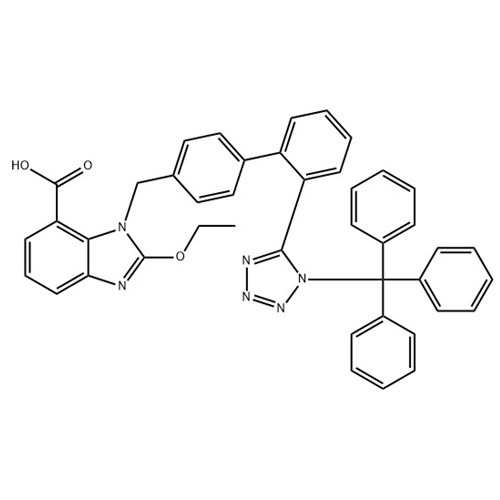
If you are interested in purchasing Chloromycetin CAS 56 - 75 - 7 for your pharmaceutical or research needs, please feel free to contact us for further discussions. We are committed to providing high - quality Chloromycetin products and excellent customer service. Additionally, we also supply other related products such as Osimertinib CAS#1421373 - 65 - 0, Trityl Candesartan CAS#139481 - 72 - 4, and Folic Acid CAS#59 - 30 - 3.
References
- Goodman & Gilman's The Pharmacological Basis of Therapeutics. 13th Edition.
- Principles and Practice of Infectious Diseases. 9th Edition.
- Mandell, Douglas, and Bennett's Principles and Practice of Infectious Diseases. 8th Edition.