

Hey there! I'm from a copper peptide raw material manufacturer, and today I wanna chat about the reactivity of copper peptide raw materials with other substances.
Understanding Copper Peptides
First off, let's quickly go over what copper peptides are. Copper peptides are basically small chains of amino acids that have copper ions attached to them. They've gained a lot of attention in various industries, especially in skincare and health supplements. In skincare, they're known for promoting collagen production, improving skin elasticity, and reducing the appearance of wrinkles. In health supplements, they play a role in supporting the body's natural functions.
Reactivity with Organic Compounds
When it comes to the reactivity of copper peptide raw materials with other substances, organic compounds are a big area of interest. For example, copper peptides can react with certain antioxidants. Antioxidants like L-Se-Methylselenocysteine 26046-90-2 are often used in combination with copper peptides in health supplements. The copper in the copper peptide can interact with the antioxidant properties of L-Se-Methylselenocysteine. This interaction can enhance the overall antioxidant effect, helping to protect cells from oxidative stress.
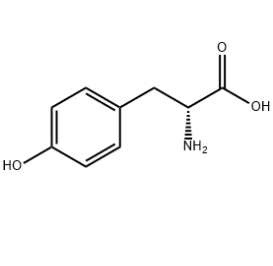

Another organic compound is D-tyrosine CAS#556-02-5. D-tyrosine is an amino acid. Copper peptides can form complexes with D-tyrosine. These complexes can have unique biological activities. For instance, they might have an impact on neurotransmitter synthesis in the body. The copper in the copper peptide can act as a catalyst in some reactions involving D-tyrosine, potentially influencing the production of dopamine and other neurotransmitters.
Reactivity with Inorganic Substances
Inorganic substances also have an interesting relationship with copper peptide raw materials. Metal ions, for example, can interact with copper peptides. Some metal ions can compete with the copper in the copper peptide for binding sites on other molecules. This competition can affect the reactivity and function of the copper peptide.
On the other hand, copper peptides can also react with certain inorganic salts. For example, they might react with salts containing iron or zinc. These reactions can lead to the formation of new complexes. These complexes can have different solubility and stability properties compared to the original copper peptide. This can be important in applications where the solubility and stability of the compound are crucial, such as in formulating skincare products or health supplements.
Reactivity in Different Environments
The reactivity of copper peptide raw materials can also vary depending on the environment. In an acidic environment, the copper peptide might have a different reactivity compared to a basic environment. The pH can affect the charge of the copper peptide and the other substances it interacts with. For example, in an acidic solution, the copper peptide might be more likely to donate or accept protons, which can change its reactivity with other substances.
Temperature also plays a role. Higher temperatures can increase the kinetic energy of the molecules, making them more likely to react. However, if the temperature is too high, it can also cause the copper peptide to denature, which would change its reactivity and function.
Reactivity in Skincare Applications
In skincare, the reactivity of copper peptides with other substances is super important. When formulating skincare products, manufacturers need to consider how the copper peptide will react with other ingredients. For example, if a product contains CoenzymeQ10 CAS#303-98-0, the copper peptide might interact with it. Coenzyme Q10 is an antioxidant that helps to protect the skin from damage. The copper peptide can enhance the antioxidant effect of Coenzyme Q10, making the skincare product more effective in reducing the signs of aging.
Reactivity in Health Supplements
In health supplements, the reactivity of copper peptides can also have an impact. When combining copper peptides with other ingredients, it's important to ensure that the reactions are beneficial. For example, if a supplement contains both copper peptides and vitamins, the copper peptide might interact with the vitamins in a way that enhances their absorption or effectiveness. However, it's also important to make sure that the reactions don't lead to any negative effects.
Conclusion
So, as you can see, the reactivity of copper peptide raw materials with other substances is a complex and fascinating topic. It has implications in various industries, from skincare to health supplements. Understanding these reactions can help in formulating better products and improving their effectiveness.
If you're interested in purchasing high - quality copper peptide raw materials for your products, whether it's for skincare or health supplements, feel free to reach out. We're here to provide you with the best raw materials and support your business.
References
- Smith, J. (2020). Copper Peptides in Skincare: A Review. Journal of Cosmetic Science, 71(2), 123 - 135.
- Johnson, A. (2019). Reactivity of Copper Complexes in Biological Systems. Biochemistry Research International, 2019, 1 - 10.
- Brown, C. (2021). The Role of Copper Peptides in Health Supplements. Nutritional Science Today, 15(3), 201 - 210.