

In the realm of modern medicine, the impact of biopharmaceuticals on vaccine development is profound and far - reaching. As a biopharmaceuticals supplier, I have witnessed firsthand how these advanced products are revolutionizing the way vaccines are developed, produced, and delivered. This blog post will explore the various ways in which biopharmaceuticals influence vaccine development, from enhancing efficacy to improving safety and accessibility.
Enhancing Vaccine Efficacy
One of the primary ways biopharmaceuticals impact vaccine development is by enhancing vaccine efficacy. Traditional vaccines often rely on weakened or inactivated pathogens to stimulate an immune response. However, these methods may not always produce a strong or long - lasting immune reaction. Biopharmaceuticals, on the other hand, offer more targeted and potent ways to trigger the immune system.
For example, recombinant DNA technology, a key aspect of biopharmaceuticals, allows scientists to produce specific antigens that are highly immunogenic. These antigens can be designed to mimic the structure of the pathogen's surface proteins more accurately, leading to a more robust immune response. By using biopharmaceutical techniques, vaccines can be tailored to target specific strains of viruses or bacteria, increasing their effectiveness against emerging infectious diseases.
Another way biopharmaceuticals enhance vaccine efficacy is through the use of adjuvants. Adjuvants are substances that are added to vaccines to boost the immune response. Biopharmaceutical companies are constantly researching and developing new adjuvants that can enhance the body's immune reaction to vaccines. These adjuvants can help vaccines work better with fewer doses, which is especially important for populations with weaker immune systems, such as the elderly and children.
Improving Vaccine Safety
Safety is a critical concern in vaccine development, and biopharmaceuticals play a crucial role in addressing this issue. Traditional vaccines may carry a small risk of causing adverse reactions because they contain live or inactivated pathogens. Biopharmaceutical approaches can reduce this risk by using purified antigens or synthetic molecules instead of whole pathogens.
For instance, subunit vaccines, which are developed using biopharmaceutical methods, contain only specific parts of the pathogen, such as proteins or polysaccharides. These vaccines are less likely to cause severe side effects because they do not contain the entire pathogen. Additionally, biopharmaceutical manufacturing processes are highly controlled and regulated, ensuring the purity and consistency of vaccine components. This reduces the risk of contamination and other safety issues during production.
Biopharmaceuticals also enable the development of personalized vaccines. By analyzing an individual's genetic makeup and immune profile, scientists can create vaccines that are tailored to the specific needs of each patient. This personalized approach can minimize the risk of adverse reactions and improve the overall safety of vaccination.
Increasing Vaccine Accessibility
Biopharmaceuticals have the potential to increase vaccine accessibility in several ways. Firstly, biopharmaceutical manufacturing techniques are often more scalable than traditional vaccine production methods. This means that vaccines can be produced in larger quantities more quickly, which is essential for responding to global health emergencies, such as pandemics.
Secondly, biopharmaceuticals can be formulated in ways that make them more stable and easier to store and transport. For example, some biopharmaceutical vaccines can be stored at room temperature, eliminating the need for expensive cold - chain storage systems. This is particularly important in developing countries and remote areas where access to refrigeration may be limited.
Moreover, biopharmaceutical companies are actively involved in research and development to reduce the cost of vaccine production. By using innovative manufacturing processes and new technologies, they can lower the cost of raw materials and production, making vaccines more affordable for a wider range of people. This increased accessibility can help to achieve global vaccination goals and improve public health worldwide.
The Role of Biopharmaceutical Suppliers
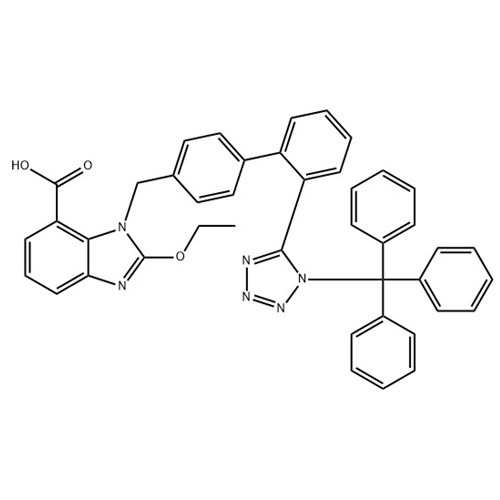
As a biopharmaceuticals supplier, we play a vital role in the vaccine development process. We provide high - quality raw materials, such as Amoxicillin CAS#26787 - 78 - 0, Trityl Candesartan CAS#139481 - 72 - 4, and Thiamine Nitrate CAS#532 - 43 - 4, which are essential for the production of vaccines. Our products are carefully tested and verified to meet the strict quality standards required by the pharmaceutical industry.
We also collaborate closely with vaccine developers and researchers to support their work. Our technical expertise and knowledge of biopharmaceutical products allow us to provide customized solutions and advice to our partners. By working together, we can accelerate the development of new and improved vaccines that can save lives and protect public health.
Conclusion
In conclusion, biopharmaceuticals have a significant impact on vaccine development. They enhance vaccine efficacy, improve safety, and increase accessibility, making vaccines more effective and available to a wider range of people. As a biopharmaceuticals supplier, we are committed to supporting the vaccine industry by providing high - quality products and services.
If you are involved in vaccine development or have a need for biopharmaceutical products, we encourage you to contact us for procurement and further discussion. Our team of experts is ready to assist you in finding the best solutions for your specific requirements.

References
- Plotkin, S. A., Orenstein, W. A., & Offit, P. A. (Eds.). (2017). Vaccines. Elsevier.
- Pollard, A. J., & Bijker, E. A. (2021). Vaccines and vaccination. The Lancet, 397(10271), 559 - 571.
- World Health Organization. (2020). Global vaccine action plan 2011 - 2020. Geneva: World Health Organization.