

Hey there! As a supplier of Heparin sodium salt, I've dealt with a fair share of questions regarding its proper use. Heparin sodium salt is a well - known anticoagulant, and it's crucial to use it with the right precautions. In this blog post, I'll walk you through some important things to keep in mind when using this product.
1. Storage Precautions
First off, let's talk about storage. Heparin sodium salt is sensitive to its environment. It should be stored in a cool, dry place. A temperature range of 2 - 8°C is ideal. Keeping it at this temperature helps maintain its stability and efficacy. If you store it at higher temperatures, there's a risk of degradation, which can reduce its anticoagulant properties.
Also, make sure to keep the container tightly closed. Exposure to air can lead to oxidation and moisture absorption, both of which are bad news for the quality of Heparin sodium salt. And don't forget about light. It's a good idea to store it in a dark container or in a place away from direct sunlight. Light can cause chemical changes in the compound, so darkness is your friend here.

2. Handling Precautions
When handling Heparin sodium salt, always wear appropriate personal protective equipment (PPE). Gloves are a must - have. They protect your hands from direct contact with the compound, which can cause skin irritation. Safety goggles are also recommended to shield your eyes in case of any splashes.
It's important to handle it in a well - ventilated area. Inhalation of Heparin sodium salt dust can be harmful to your respiratory system. If you're working in a laboratory or a manufacturing setting, use a fume hood. This helps to remove any airborne particles and keeps the air you're breathing clean.
3. Dosage Precautions
Getting the dosage right is crucial when using Heparin sodium salt. The dosage depends on several factors, such as the patient's age, weight, and the specific medical condition being treated. Always follow the doctor's prescription or the guidelines provided in the product documentation.
Overdosing on Heparin sodium salt can lead to serious side effects, like excessive bleeding. On the other hand, underdosing may not provide the desired anticoagulant effect. Regular monitoring of blood clotting parameters is necessary to ensure that the dosage is appropriate. This can involve tests like activated partial thromboplastin time (aPTT) and prothrombin time (PT).
4. Compatibility Precautions
Heparin sodium salt may interact with other medications. Before using it in combination with other drugs, it's essential to check for compatibility. Some drugs can enhance or reduce the anticoagulant effect of Heparin sodium salt. For example, non - steroidal anti - inflammatory drugs (NSAIDs) can increase the risk of bleeding when used with Heparin sodium salt.
If you're using Heparin sodium salt in a medical device or a solution, make sure it's compatible with the materials. Some plastics or metals can react with Heparin sodium salt, leading to reduced efficacy or the formation of unwanted by - products.
5. Patient - Specific Precautions
There are certain patient groups that require extra caution when using Heparin sodium salt. Pregnant women, for instance, need special consideration. While Heparin sodium salt is generally considered safe during pregnancy, it's still important to closely monitor the mother and the fetus.
Patients with a history of bleeding disorders or liver/kidney problems also need careful management. Their bodies may process Heparin sodium salt differently, and the risk of side effects may be higher. In these cases, the doctor may need to adjust the dosage or choose an alternative treatment.
6. Disposal Precautions
Proper disposal of Heparin sodium salt is also important. Don't just pour it down the drain or throw it in the regular trash. It can contaminate the environment and pose a risk to wildlife. If you're in a medical or laboratory setting, follow the local regulations for hazardous waste disposal.
In some cases, you may need to neutralize the compound before disposal. This helps to reduce its environmental impact and ensures that it's safe to handle.
7. Quality Assurance Precautions
As a supplier, I always emphasize the importance of quality assurance. When purchasing Heparin sodium salt, make sure to buy from a reliable source. Check the supplier's reputation and look for quality certifications. A good supplier will have strict quality control measures in place to ensure that the product meets the required standards.
Also, ask for a certificate of analysis (COA). This document provides detailed information about the product's quality, including its purity, potency, and any impurities. It's a great way to verify that you're getting a high - quality product.
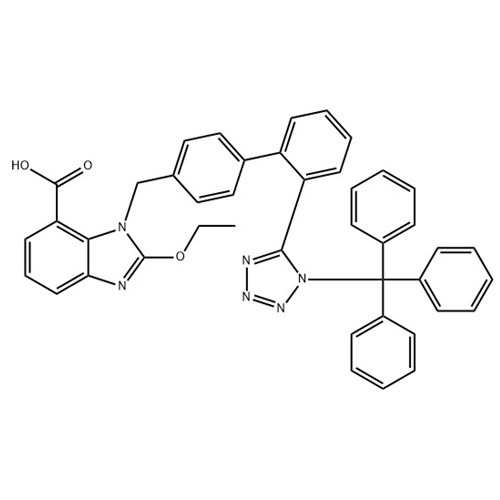
Now, I'd like to mention a few other products that might be of interest to you. If you're in the market for other chemical compounds, check out Trityl Candesartan CAS#139481 - 72 - 4, Thioctic Acid 62 - 46 - 4, and Moxidectin CAS#113507 - 06 - 5. These products have their own unique applications and benefits.
If you're interested in purchasing Heparin sodium salt or any of the other products I've mentioned, feel free to reach out for a procurement discussion. We're here to help you find the right products for your needs and ensure that you get the best quality at a competitive price.
References
- Goodman & Gilman's The Pharmacological Basis of Therapeutics
- Remington: The Science and Practice of Pharmacy
- Medical literature on anticoagulant therapy and Heparin sodium salt usage