

Hey there! I'm a supplier of drug substance intermediates, and I know how crucial it is to extend the shelf-life of these valuable compounds. In this blog, I'll share some practical tips and strategies that I've picked up over the years in the business.
First off, let's understand why extending the shelf-life of drug substance intermediates is so important. These intermediates are like building blocks in the pharmaceutical industry. They're used to synthesize the final drug products. If they degrade or lose their quality before they can be used, it not only leads to financial losses but can also compromise the safety and efficacy of the drugs.
1. Storage Conditions
One of the most fundamental factors in extending the shelf-life of drug substance intermediates is proper storage. Temperature is a major player here. Most intermediates have specific temperature requirements for storage. Some need to be kept in a cool environment, while others might be more stable at room temperature.
For example, if you're dealing with heat-sensitive intermediates, storing them in a refrigerator at a controlled temperature can significantly slow down the degradation process. On the other hand, for intermediates that are stable at room temperature, make sure the storage area is well-ventilated and away from direct sunlight.
Humidity is another crucial aspect. High humidity can cause moisture absorption, which can lead to chemical reactions and degradation. To combat this, you can use desiccants in the storage containers. Silica gel is a common and effective desiccant that can help keep the moisture levels in check.
2. Packaging
The right packaging can make a world of difference. It acts as a barrier between the intermediate and the external environment. For starters, use airtight containers. This prevents oxygen and moisture from getting in and reacting with the intermediate.
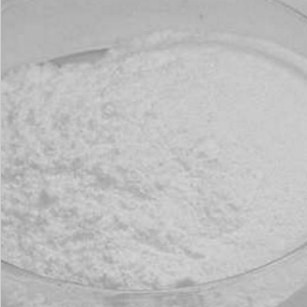

Glass containers are often a good choice because they're inert and don't react with the contents. However, make sure they're properly sealed. Plastic containers can also work, but you need to choose the right type of plastic that is resistant to the intermediate's chemical properties.
Another important thing is to label the containers clearly. Include information like the name of the intermediate, its batch number, the date of receipt, and the expiration date. This helps in proper inventory management and ensures that you use the oldest stock first.
3. Handling Procedures
How you handle the drug substance intermediates can also impact their shelf-life. Always use clean and dry equipment when transferring or measuring the intermediates. Contamination can accelerate degradation.
For example, if you're using a spatula to transfer an intermediate, make sure it's clean and free from any residues of other chemicals. Also, avoid exposing the intermediate to unnecessary light during handling. If possible, work in a dimly lit area or use opaque containers.
4. Quality Control
Regular quality control checks are essential. This involves testing the intermediates at regular intervals to ensure that they still meet the required specifications. You can use various analytical techniques like high-performance liquid chromatography (HPLC) or mass spectrometry to check the purity and stability of the intermediates.
If you notice any signs of degradation, such as changes in color, odor, or physical appearance, it's important to take action immediately. This might involve adjusting the storage conditions or disposing of the degraded intermediate properly.
5. Chemical Stability Studies
Conducting chemical stability studies can provide valuable insights into how the intermediate behaves under different conditions. These studies involve subjecting the intermediate to various stress factors like heat, light, and humidity and then analyzing the changes over time.
Based on the results of these studies, you can develop appropriate storage and handling protocols. For example, if the study shows that an intermediate is highly sensitive to light, you can take extra precautions to store it in a dark place.
Examples of Drug Substance Intermediates
Let's take a look at some specific drug substance intermediates and how you can extend their shelf-life.
- 2-Chloro-L-phenylalanine: This intermediate is often used in the synthesis of various pharmaceuticals. To extend its shelf-life, store it in a cool and dry place, away from light. Use airtight containers and make sure to handle it with clean equipment.
- 4-Chloropyridine Hydrochloride Chloride CAS 7379-35-3: This intermediate is sensitive to moisture. Store it in a desiccated environment and use airtight containers. Regularly check the moisture levels in the storage area and adjust the desiccants as needed.
- 2'-Fucosyllactose CAS#41263-94-9: This intermediate is used in the cosmetic and pharmaceutical industries. Keep it in a cool and dark place to prevent degradation. Avoid exposure to air and moisture by using proper packaging.
Conclusion
Extending the shelf-life of drug substance intermediates is a multi-faceted process that involves proper storage, packaging, handling, quality control, and stability studies. By following these tips and strategies, you can ensure that your intermediates remain stable and of high quality for as long as possible.
If you're in the market for high-quality drug substance intermediates or have any questions about extending their shelf-life, I'd love to chat. Reach out to me, and we can discuss your specific needs and how I can help you get the most out of your intermediates.
References
- "Pharmaceutical Stability Testing: A Review" - Journal of Pharmaceutical Sciences
- "Handbook of Pharmaceutical Excipients" - Pharmaceutical Press
- "Chemical Stability of Drugs: A Handbook for Pharmacists" - John Wiley & Sons